
EXBERRY® color supplier GNT welcomes new Brazilian guide on plant extracts and concentrates
GNT has praised new ANVISA guidelines that provide official clarification on the use of Coloring Foods in Brazil. Coloring Foods are concentrates used to impart color to food and beverages. They are made from edible fruits, vegetables, and plants using physical processing methods. The pigments in the raw materials are not selectively extracted and the concentrates retain other characteristics including aromatic qualities and nutritional value.
Due to the way they are produced, they are considered to be ingredients rather than food additives in many parts of the world and qualify for cleaner and clearer label declarations.
GNT manufactures plant-based EXBERRY® colors and first introduced the concept of Coloring Foods to the food and beverage industry almost 50 years ago.
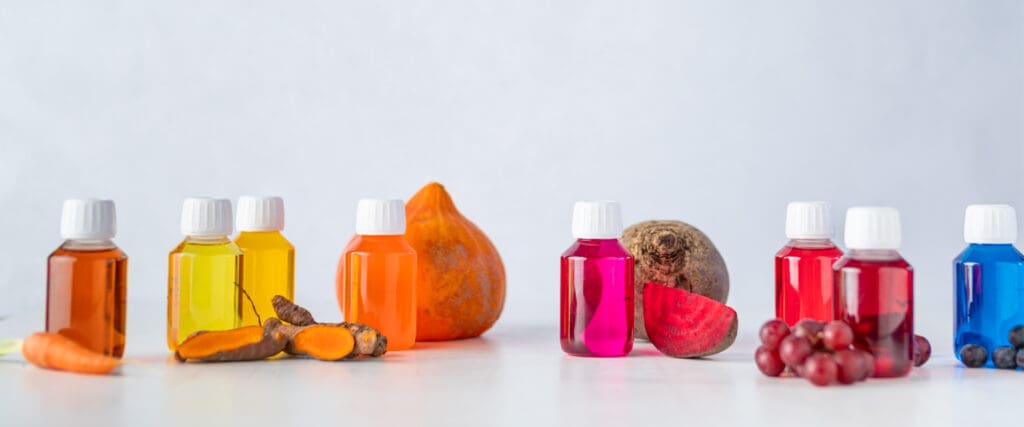
Coloring Foods have been used in the Brazilian food industry for decades, but until now the food authorities have not issued any official guidelines over their classification and labeling requirements.
ANVISA, Brazil’s health regulatory agency, has now published a guide on the classification and regulation of plant extracts and concentrates used in food. It confirms that Coloring Foods should be classified as conventional ingredients rather than food additives when produced and used in line with its criteria.
ANVISA published the guide on its website end December 2025 and gave stakeholders one year to provide comments.
Javier Brill, GNT Group’s Sales Director for Latin America, said: “The ANVISA guidelines provide Brazilian companies with the regulatory clarity they need to use Coloring Foods with confidence. This is an important step forward, helping manufacturers benefit from consumer-friendly concentrates that can deliver a full spectrum of spectacular shades.”
The guide was created to provide clear, harmonized guidelines that support compliance with existing Brazilian legislation. It sets out whether different plant extracts and concentrates should be classified as food additives, novel ingredients, or conventional ingredients.
The guide states that Coloring Foods must be made from edible raw materials such as fruits, vegetables, flowers, spices, and algae. In addition, they must be processed in line with the methods set out in NATCOL’s Code of Practice for the Classification, Manufacturing, Use and Labelling of Coloring Foods.
Coloring Foods that meet these criteria can be classified as conventional ingredients and qualify for simple label declarations, such as “non-selective carrot concentrate” or just “carrot concentrate.”